Humanity's Connection Within Itself Is Intrinsically Related to the Connection We Have with Our Environment
We are nature. Nature is the universe. Therefore, we are the universe expressing itself through form.
This truth has lived in human experience for millennia—long before modern echoes. When ancient peoples immersed themselves in the rhythms of earth, seasons, stars, and subtle energies—without endless distractions—they created wonders that align with cosmic precision. These sites stand as living proof: in quiet presence, intuition flows, wisdom emerges, and human hands channel universal intelligence.
Four Ancient Wonders Born of Attunement
Pyramids of Giza (Egypt)
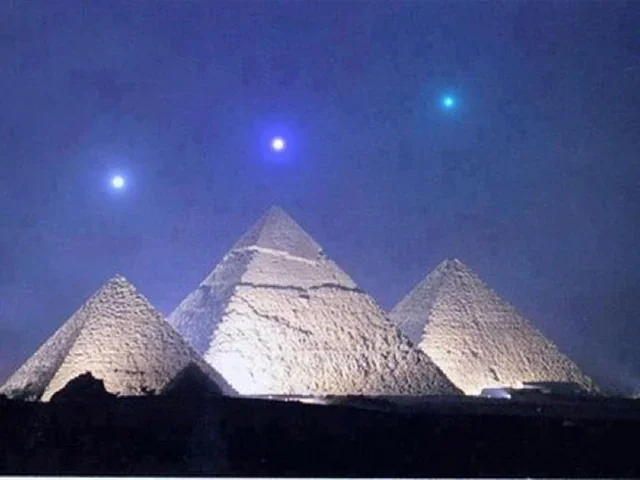
Aligned to cardinal directions within a fraction of a degree and mirroring constellations like Orion's Belt—precision rooted in careful astronomical observation. Recent radar studies hint at deeper underground features, though unconfirmed. This reflects ancient Egyptians' profound harmony with celestial cycles and Earth's geomagnetic field—turning natural laws into monuments of cosmic order.
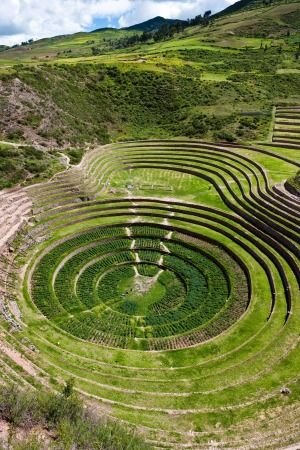
Machu Picchu (Peru – Inca)

Integrated dry-stone walls, terraces, and the Intihuatana stone align accurately with solstices and equinoxes (verified by surveys), blending seamlessly with Andean peaks and natural springs. The Incas observed solar, lunar, and stellar patterns intimately—co-creating a sanctuary that grew from the landscape, showing how environmental attunement fosters intuitive, sustainable design.
Stonehenge (England)
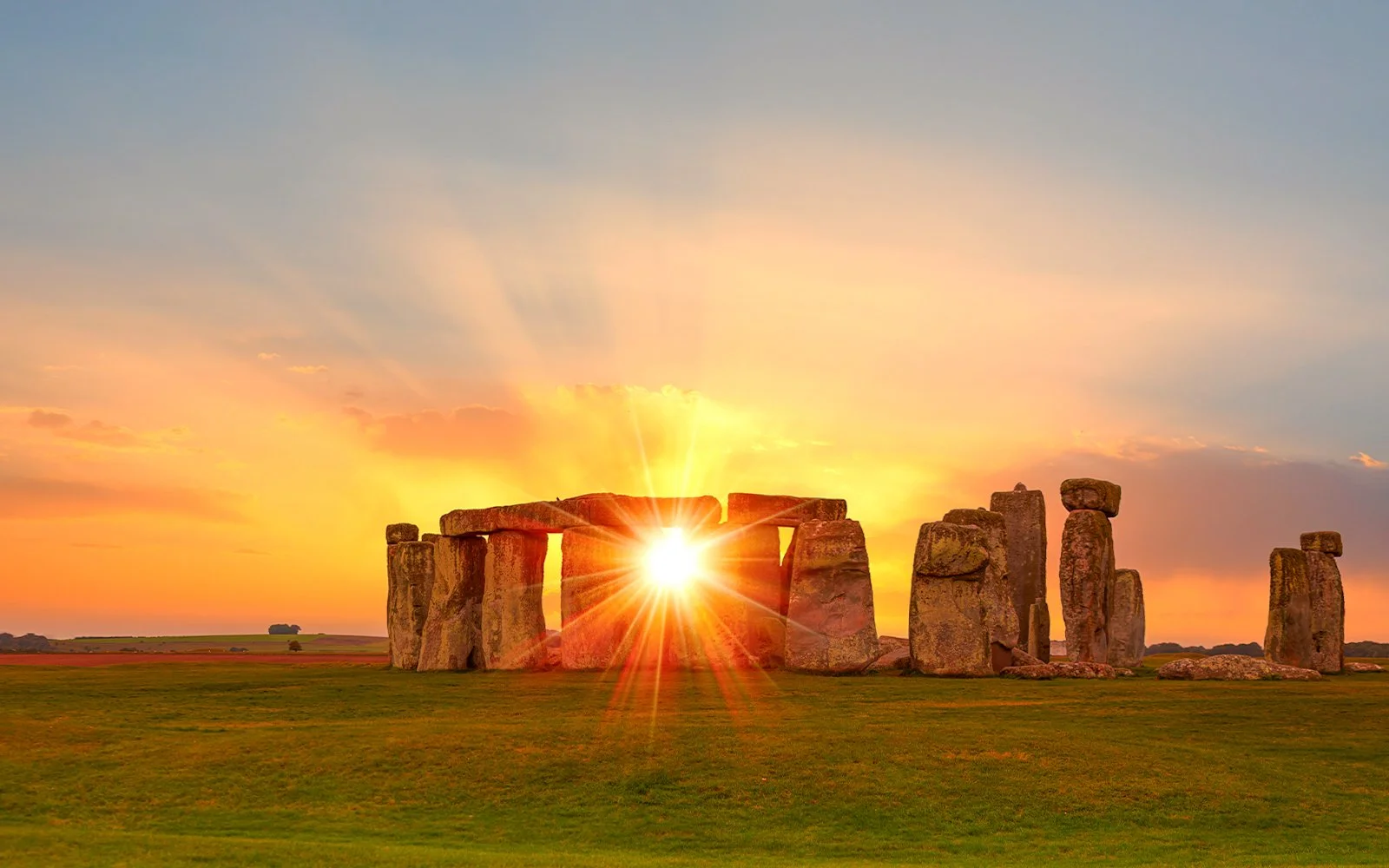
The circle frames summer solstice sunrise and winter solstice sunset with deliberate accuracy (confirmed by laser analysis). Neolithic communities, deeply synced with seasonal cycles, built this monumental timekeeper—illustrating how presence and awareness of the sun's path manifest sacred structures mirroring cosmic rhythm.
Borobudur (Indonesia)
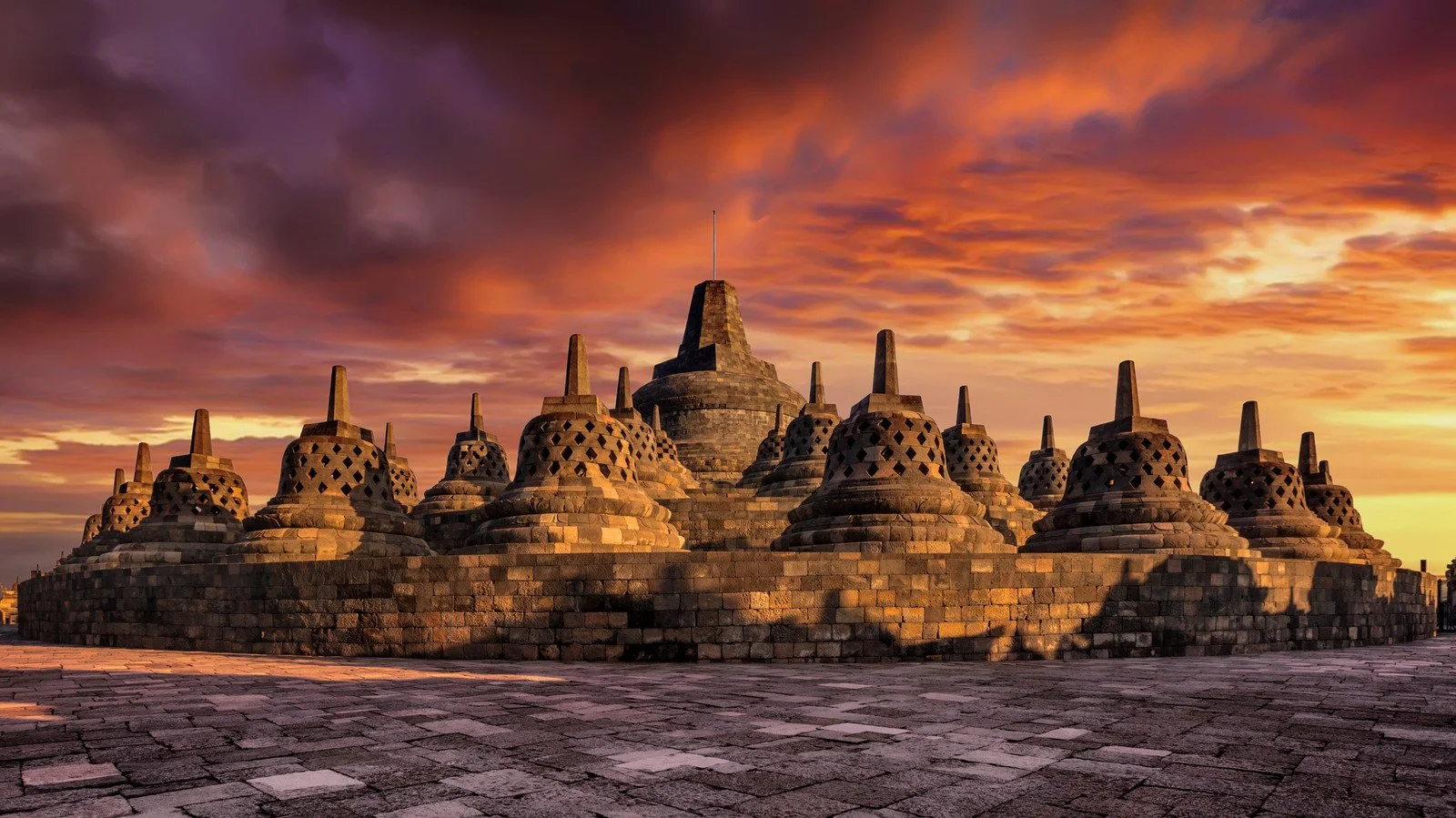
A stepped mandala symbolizing Buddhist cosmology's realms, aligned to cardinal directions and possibly equinox sunrises (documented in archaeoastronomical studies), woven into volcanic surroundings. Ancient Javanese builders harmonized geometric precision with natural forms—manifesting architecture that maps universal interconnectedness through attunement to cosmic and earthly patterns.
These wonders—from desert stars to volcanic mandalas—are evidence: when humanity quiets noise and tunes into nature's quiet intelligence—the same shaping galaxies—we co-create marvels that echo eternity.
The Common Thread in Grounded Lives
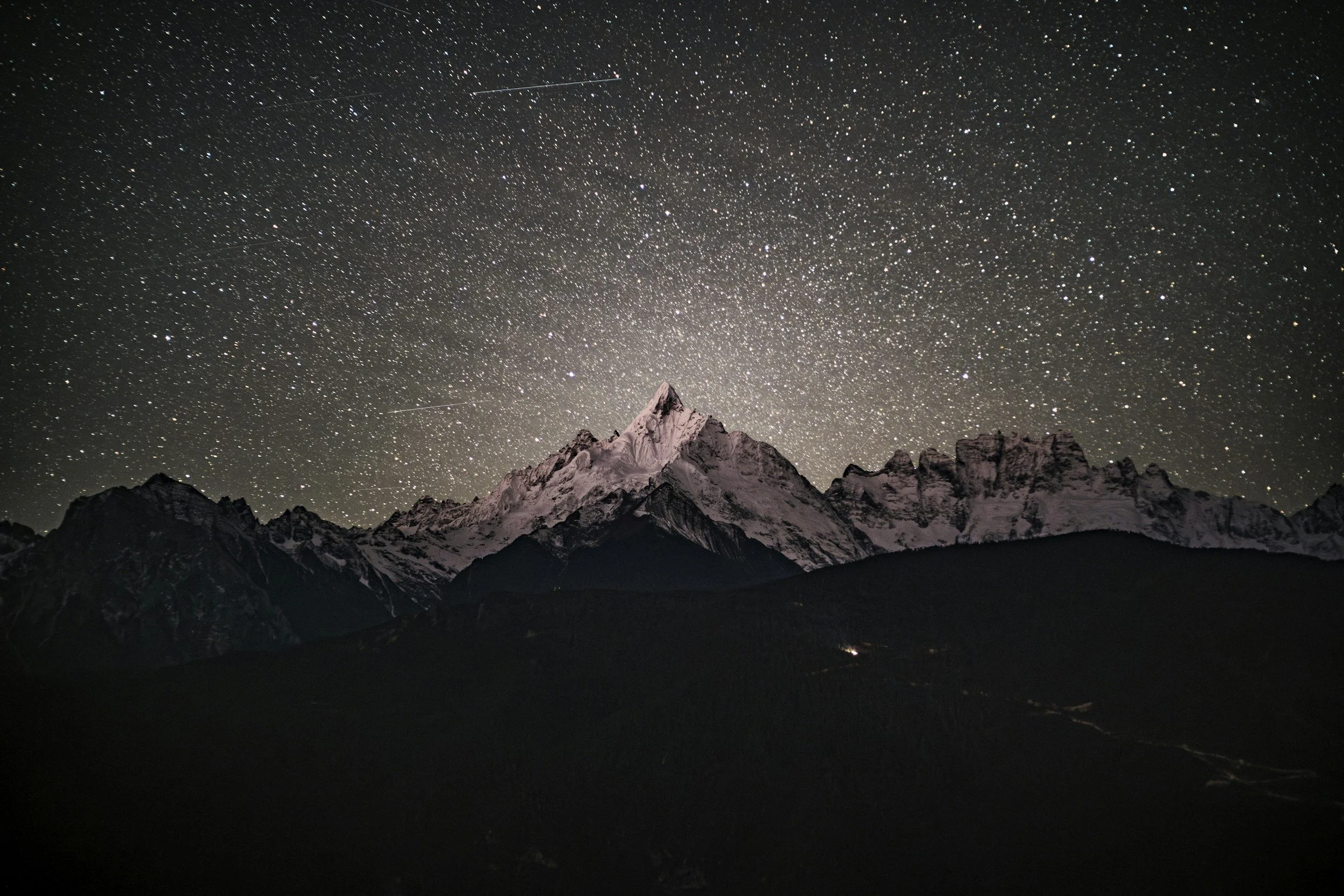
The clearest, most centered, healthy, and long-lived people today share this: they work the land, tend gardens, or live in remote wilderness with intention to listen. Communities like the Tsimane in the Amazon (healthiest arteries, slowest brain aging recorded) or Blue Zones elders thrive through constant immersion in nature—away from fragmentation—revealing that reduced distractions enable direct dialogue with the environment, unlocking wisdom, vitality, and innate gifts.
Modern Disconnection

Today, constant notifications, scrolling, and chasing bury us in noise. Freedom feels scattered because we're severed from the raw source that sparks true imagination. Self-knowledge fades behind productivity and accumulation.
The Deeper Power of Attunement
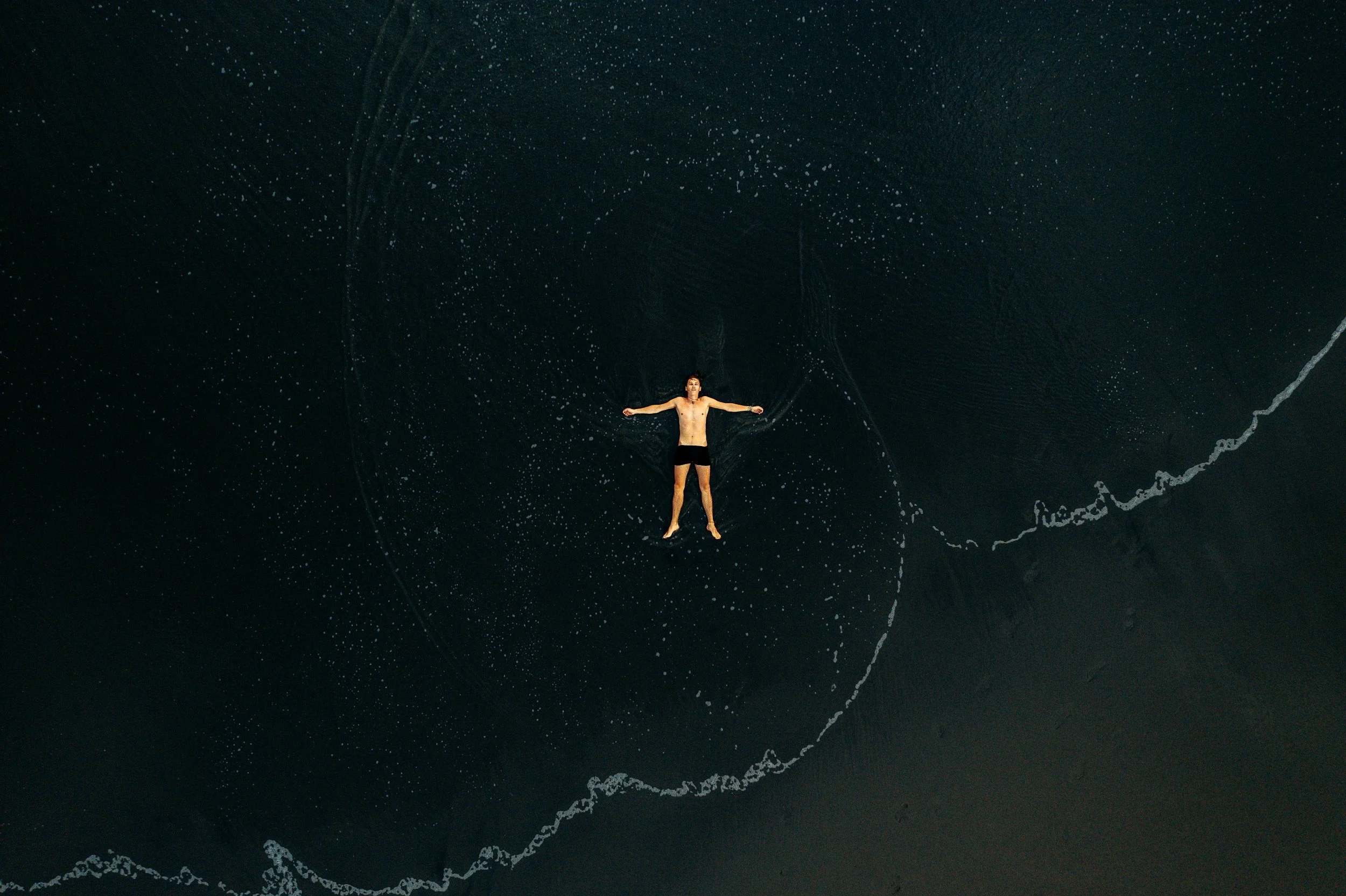
Reclaiming this isn't complicated. Ancient humans accessed it through desire + immersion. Emerging research in quantum biology and consciousness studies suggests tuning into nature's frequencies—rhythms of wind, seasons, earth's subtle fields—enhances intuition in ways machines or disconnected logic cannot match.
Studies on brain-environment resonance show how natural rhythms entrain neural oscillations, fostering holistic perception. Quantum-like effects (e.g., coherence in biological systems, models of entanglement in consciousness) hint that attuned states may access non-local information—perceiving patterns across time and space beyond linear, rational frames. Intuition here isn't mere guesswork; it taps universal wisdom, where time feels fluid and space interconnected, far surpassing what fragmented human minds or tools built in disconnection can quantify.
This points to a profound possibility: connection—to nature, to essence, to the universe's frequencies—may be more important than knowledge itself. Accumulated facts from a limited, untuned state remain partial and brittle. True insight, creativity, and guidance arise from harmonious alignment—where the self resonates with something greater, revealing gifts meant for humanity. In that state, we don't just know; we become the knowing.
Start with desire. Step outside. Listen. Feel your essence stir. Your unique gifts await in that quiet intelligence.
My Own Journey

I'm here to guide you on this journey—not from theory alone, but from lived experience.
Throughout my life, I've felt the profound power of attuning to nature's frequencies. It shows in my vitality, my boundless yet deeply meaningful creativity, and—most importantly to me—my ease in connecting with others. I strive to be a source of unity rather than disconnection, to live by example instead of mere words.
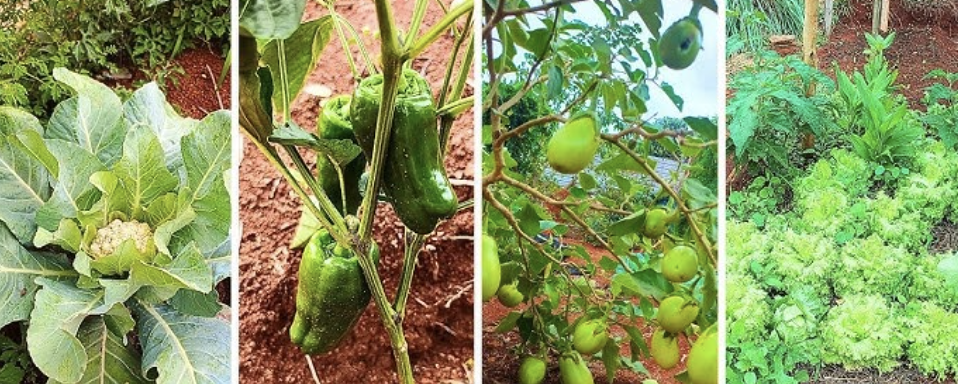
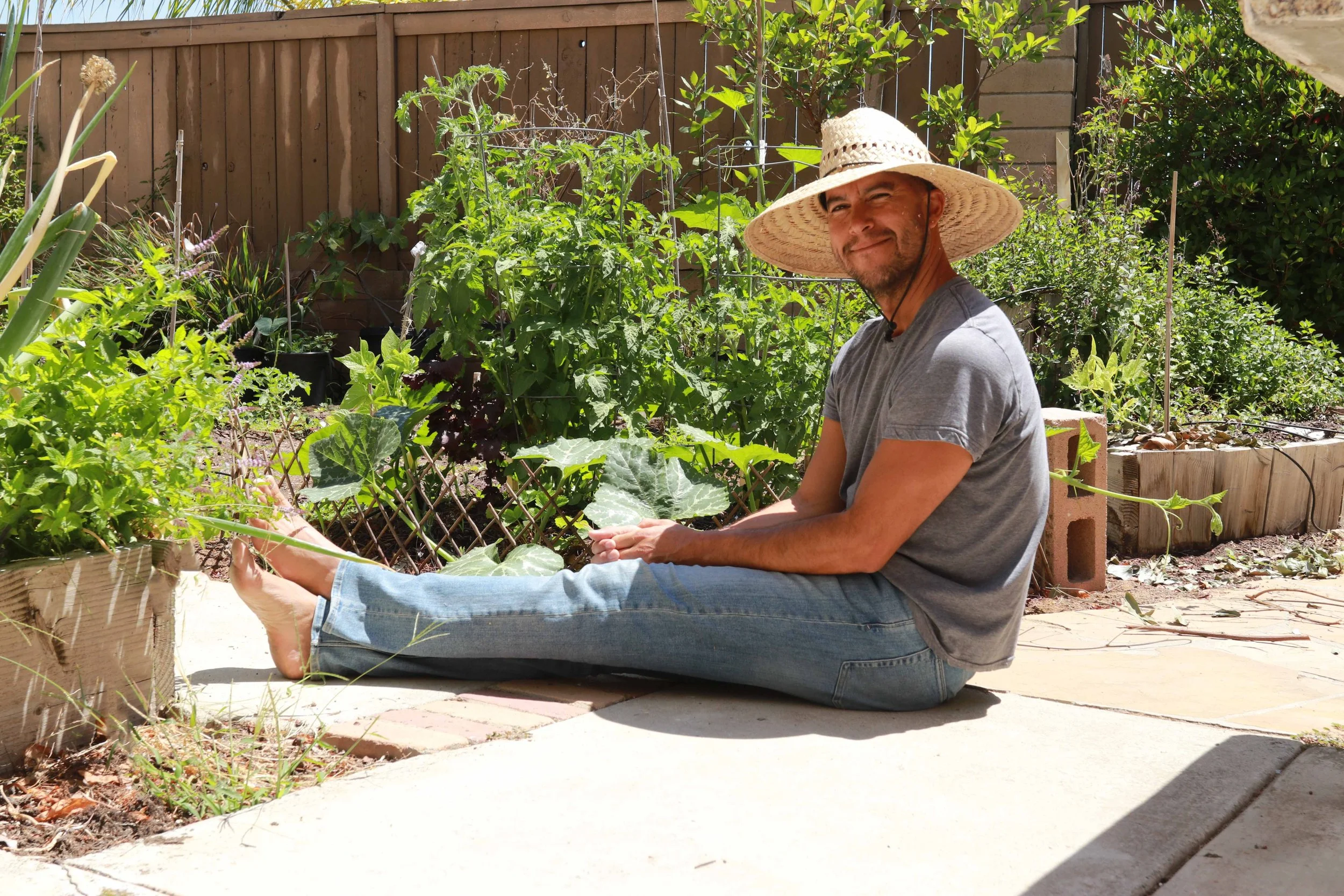
Since childhood, tuning into nature has been central to who I am. I've held space for many people as they heal, discover their purpose, and realign with their essence. I support organic local farmers, grow my own food, and help others attune to nature's pulse—whether through shared vibes, dancing like no one's watching, or simply loving life and appreciating every breath of air.
This path isn't about perfection; it's about consistent, joyful reconnection. When we live in harmony with the natural world, something unlocks: deeper presence, authentic creativity, genuine bonds, and a quiet certainty that we're part of something vast and alive.
Would you like to share what nature stirs in you?🌿🔮
What pulls you most when you silence the world and listen to the earth or your heart?
With Love
Perkunas